A Song Waiting for Your Voice
English, French, German, Turkish and beyond: Women Songs opens a path to ready-written repertoire for female voices. An editorial Q&A on finding the right song — and making it your own.
Project Q&A · Adapted and expanded from the original Russian-language project feature.
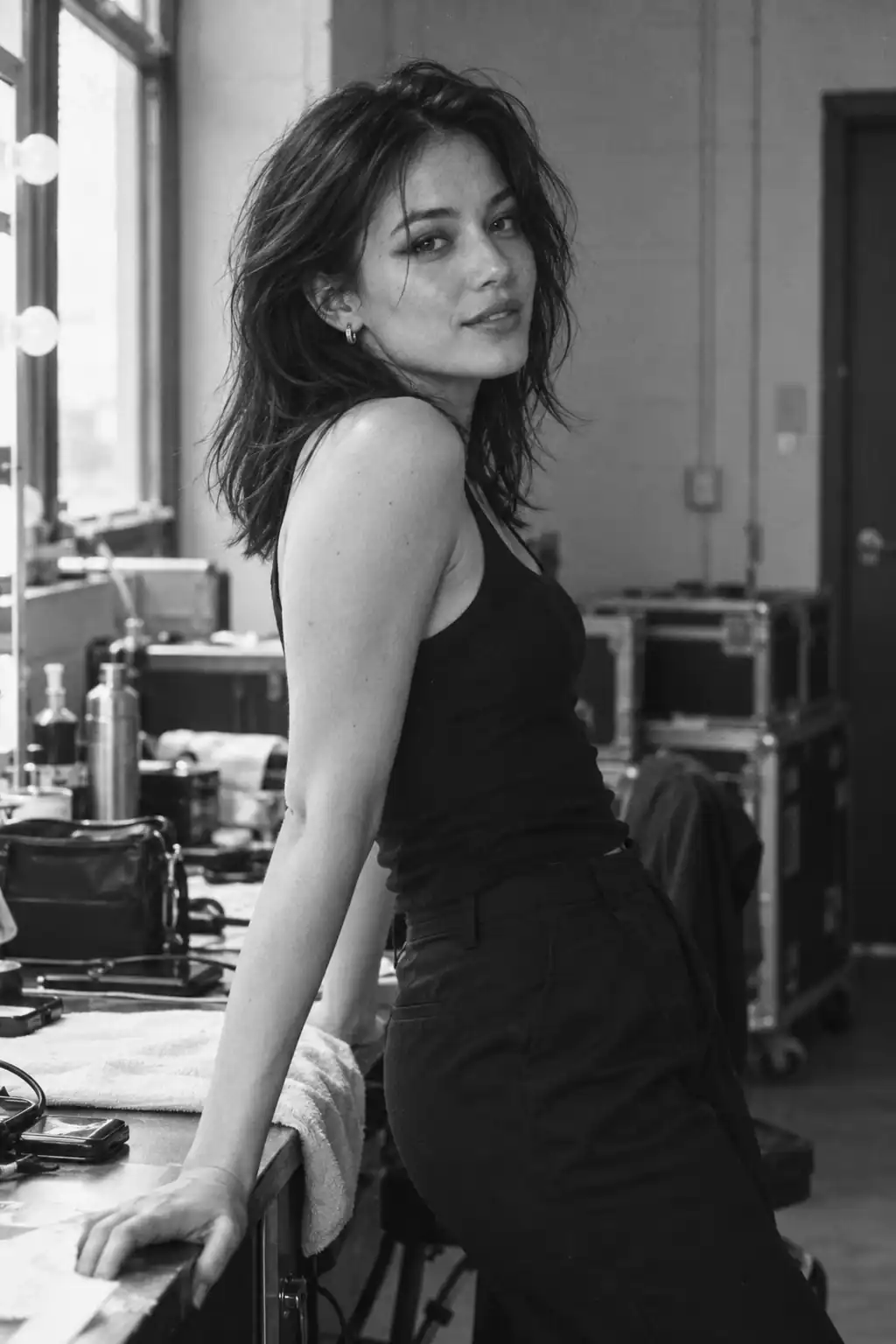
A singer can have a distinctive voice, a clear sense of style and the confidence to step into a studio — and still be missing the song that brings those qualities together. The search is rarely for a melody alone. It is for a story that feels possible to inhabit: words that sit naturally in the mouth, a chorus that stays after the music stops, an emotion worth returning to.
Women Songs begins with that search. Its offer extends beyond Russian-language repertoire to songs available for purchase in English, French, German, Turkish and other languages. For an artist considering a new release, a different audience or a change of direction, the question is both practical and personal: which of these songs could become mine?
Where did the idea for Women Songs begin?
With a familiar mismatch. A songwriter may have a compelling composition that has yet to find its performer. A singer, meanwhile, may be ready for a new chapter but unable to find material that feels right for her voice or artistic identity. The song exists; the artist exists. What is missing is the meeting.
The project creates a place for that meeting to happen. Rather than beginning every search with a commission and an empty page, a vocalist can explore ready-written material, listen to what is available and imagine how a song might sound in her own interpretation.
Is this a catalogue only for singers who perform in Russian?
No. The international repertoire is central to the offer: artists can explore songs for purchase in English, French, German, Turkish and other languages, alongside Russian-language material. The point is to give singers a wider field of choice, whether they want to build an English-language repertoire or find a song in another language that belongs naturally in their artistic world.
A language is more than a route to a market. It changes the rhythm of a phrase, the colour of a vowel and the way an emotion lands. The right choice depends on the singer, the song and the audience she wants to address. Current titles and terms should be checked with the project, particularly for a specific language or creative brief.

How should an artist approach choosing a song in another language?
Begin with connection, then listen closely to the detail. Does the lyric express something you want to say? Can you make the phrasing sound lived-in rather than recited? Does the melody leave room for the qualities that make your voice recognisable?
For a singer working outside her first language, understanding the lyric and becoming comfortable with pronunciation are part of preparing the performance. A convincing interpretation does not come from the language label on a catalogue page. It comes from making the words and musical intention feel like one gesture. An international release can broaden an artist’s possibilities, but the song still has to belong to the person singing it.
What makes a catalogue useful, rather than simply large?
A useful catalogue helps an artist make decisions. Style, language and mood provide ways into the material; a song’s description gives context for what she is hearing. Instead of scrolling through titles without a sense of direction, she can begin with a clearer question: what do I want my next release to feel like?
Women Songs brings together song pages, language and style directions, and album offerings. The original project presentation also connects repertoire with the next stage of an artist’s work: preparing a release and introducing it to listeners. The practical starting point remains simple — find a composition that deserves a closer listen, then discuss the details of acquiring it.
What should a strong song leave for the performer to discover?
Space. A song can have a memorable chorus and a clear emotional centre without prescribing every shade of the performance. One singer may find restraint in a line that another turns into a declaration. A familiar image can become intimate, defiant or unexpectedly tender depending on who gives it a voice.
That is why melody, lyric and character matter together. A polished surface is not enough if there is nothing underneath for the performer to hold on to. Equally, a delicate song does not have to announce itself at full volume to be worth hearing. The most useful question is whether an artist can imagine returning to it — in rehearsal, in the studio and on stage.
Does a ready-written song mean a ready-made artistic identity?
It should not. Choosing existing material is still a creative decision, and recording it begins another set of choices: phrasing, vocal colour, arrangement, pacing and the feeling of the finished performance. A demo introduces a composition; it does not have to define every possibility of the final record.
The aim is to find material with enough shape to inspire confidence and enough openness to invite interpretation. A singer is not merely filling a space in someone else’s recording. She is deciding how this particular story will sound when it is hers to tell.
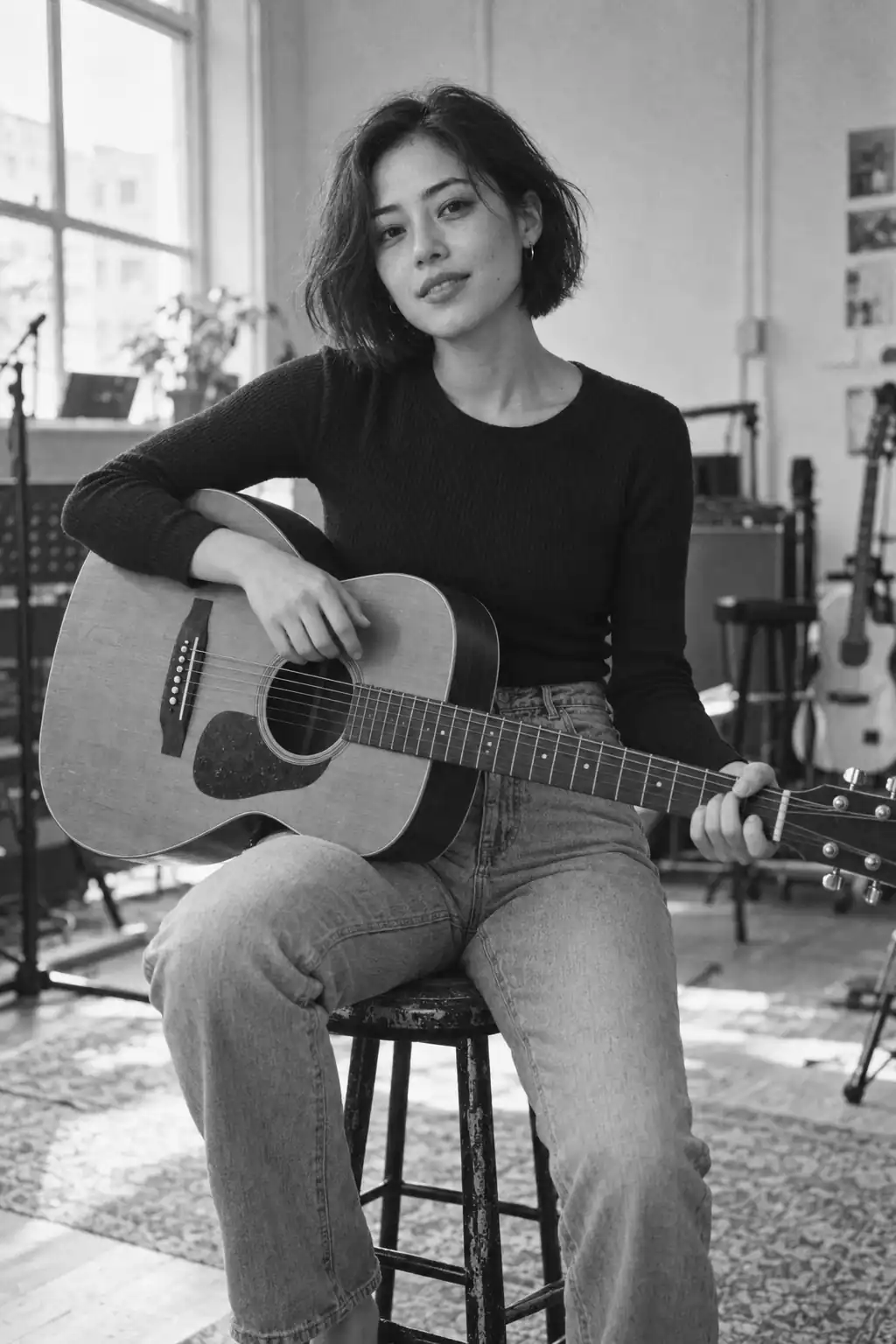
What should a singer clarify before purchasing?
Alongside the emotional decision, there is a practical conversation to have. Ask what is included with the specific song, which materials will be supplied and what rights the agreement will grant. Clarify the terms of exclusivity, if offered, and whether any changes to the key, lyrics or arrangement can be agreed. Those details should be confirmed for the individual purchase rather than assumed from the catalogue.
For an English, French, German or Turkish selection, the same principle applies: establish exactly which version is being offered and what support, if any, is included. Clear expectations allow the creative work to begin on firmer ground.
Can anyone know in advance which song will become a hit?
A strong melody and a compelling emotional idea give a song something to build on. They do not settle its future. Performance, production, timing, release strategy and the response of listeners all play a part.
The more honest ambition is to recognise potential: a line that feels worth singing, a chorus that invites another listen, a composition that gives an artist somewhere to go. Buying a song is the beginning of that work, not a guarantee of its outcome.
What is the first step for someone still looking for her song?
Listen without rushing to decide who you are supposed to become. Start with the language and style that interest you, explore the available material, and notice where your attention returns. Sometimes recognition comes immediately. Sometimes it arrives quietly, after a second listen, when a phrase begins to feel less like someone else’s idea and more like something you need to say.
That is the promise at the heart of Women Songs: not that every song will fit every singer, but that a wider, more considered choice can make the right meeting possible. Somewhere between a songwriter’s first intention and a performer’s first breath, a new artistic chapter can begin.